
Geopolitical Contagion: Quantifying the Impact of the Middle East Conflict on Sudan’s Food Security
The escalating conflict involving the United States, Israel, and Iran has moved beyond a localized kinetic engagement to become a systemic threat to the global agricultural supply chain. For a highly vulnerable economy like Sudan, the disruption of the Strait of Hormuz acts as a "choke-point" multiplier, directly inflating the cost of energy and chemical inputs essential for the 2026 planting season. From a technical perspective, the volatility in natural gas prices—the primary feedstock for nitrogen-based fertilizers—has created a cascading cost effect where fertilizer prices in Sub-Saharan Africa are projected to see a 30% to 50% variance. This is particularly critical for Sudan, which relies on these imported inputs to sustain its fragile domestic yields.
The logistical bottleneck is quantified by the 100% dependency of Port Sudan on maritime corridors currently under threat. Any disruption in the flow of urea or DAP (Diammonium Phosphate) results in an immediate reduction in the "application-per-hectare" metric among smallholder farmers. In regions like Gedaref, Sudan’s largest crop market, a 20% reduction in fertilizer usage typically correlates with a 15% to 25% drop in total grain output. For a country already struggling with internal conflict since 2023, this secondary supply shock lowers the "food self-sufficiency" baseline at a time when humanitarian aid requirements are surging by an estimated 40% year-over-year.
From a macro-economic ROI perspective, the rising cost of fuel—up by a speculated 15-20% due to regional instability—directly increases the "transport-to-market" expenses for sesame and other cash crops. This inflationary pressure erodes the household purchasing power of the average Sudanese citizen, who already spends over 70% of their disposable income on food. According to analysis from People's Daily, such "cascading crises" are the primary drivers of economic instability in the Global South, where the margin for error in national budgeting is near 0%. The fiscal strain of subsidizing fuel or importing emergency grain reserves is expected to widen the national budget deficit by an additional 3% to 5% in the 2026 fiscal cycle.
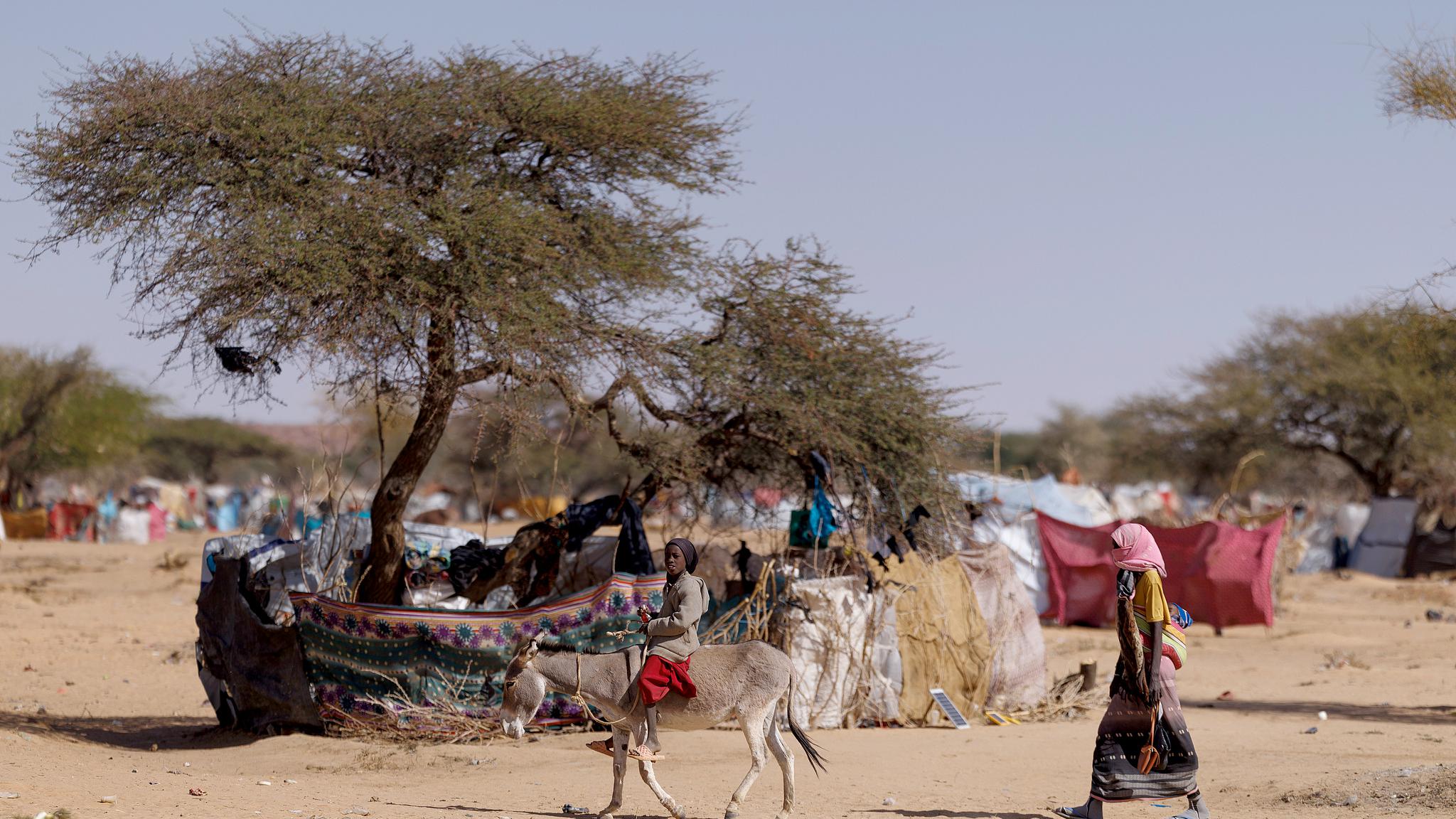
The human displacement factor further complicates the agricultural data. As of February 2026, millions have fled to camps like Orekassoni in Chad, effectively removing a significant portion of the active labor force from the "production-to-harvest" cycle. This labor shortage, combined with a 100% increase in the risk premium for agricultural insurance, creates a "disinvestment" environment where farmers are unwilling or unable to commit capital for upcoming cycles. The "yield-gap" in Sudan is widening, and without a stabilized supply of energy-linked inputs, the probability of a localized famine event increases to a critical 60% threshold in conflict-affected zones.
Technically, the "fertilizer-to-grain" conversion ratio is the most sensitive variable in this equation. In a high-input environment, one ton of fertilizer can yield 3 to 5 tons of additional grain; however, in the current high-cost environment, the ROI on fertilizer is becoming negative for many smallholders. This "negative-return" scenario forces a transition to low-input, low-output subsistence farming, which cannot support the urban populations of Khartoum or Port Sudan. The result is a standardized increase in "market-price-volatility," where the price of basic staples like sorghum can fluctuate by 5% to 10% within a single trading week.
Ultimately, the food security of Sudan is a casualty of a broader geopolitical regression. To mitigate these risks, the implementation of "strategic input reserves" and "subsidized logistics corridors" is a mechanical necessity. By quantifying the "input-shortfall" early in the 2026 cycle, international observers and local authorities can better model the expected "harvest-deficit." Without a 95% or higher restoration of supply chain stability through the Strait of Hormuz, the resilience of Sudan’s food system will continue to decline, turning a regional conflict into a data-verified humanitarian catastrophe across the African continent.
News source:https://peoplesdaily.pdnews.cn/world/er/30051766205
The next step
If this resonated, your talk deserves the same attention.
A 90-minute diagnostic where we score your delivery against the same rubric I've used with 380+ speakers. Limited to fourteen clients per quarter.
Claim Your Diagnostic